 PetsName
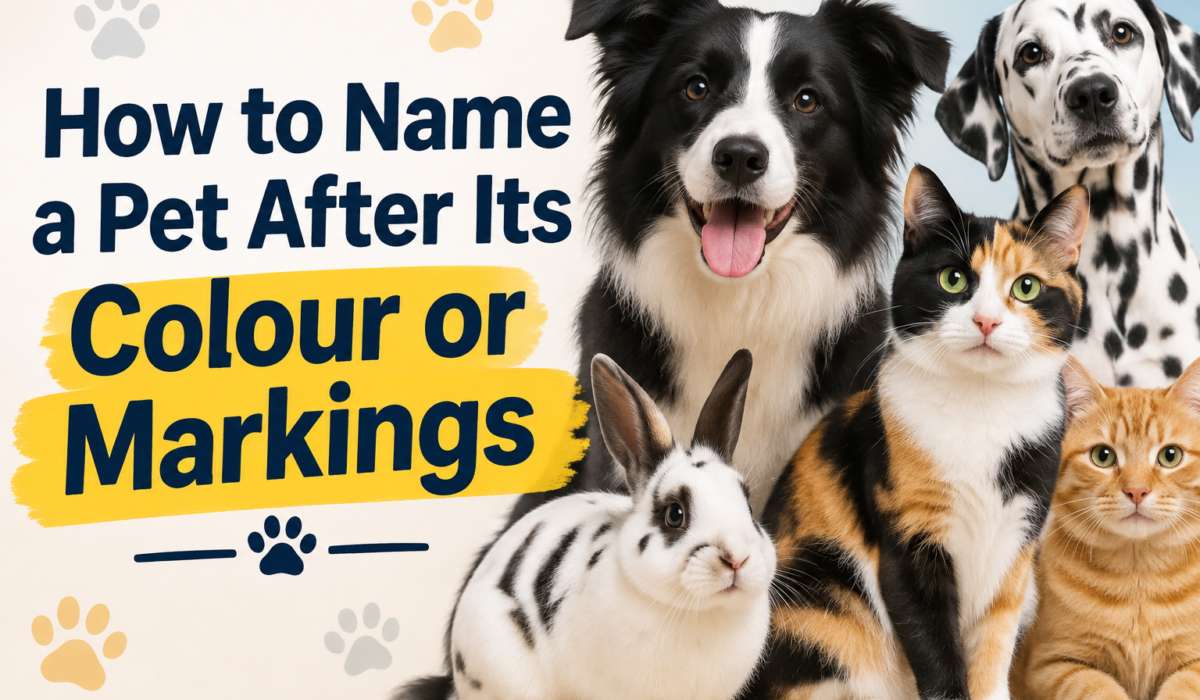
A pet’s coat can provide an easy starting point for a name. Snow, Ginger, Pepper, Cocoa, Stripe, Dot, Marble and Patches are examples. Markings can be especially distinctive, but appearance is only one part of an animal’s identity.
Names for coat colours
Black pets may inspire Shadow or Onyx; white pets Pearl or Snow; brown pets Cocoa or Hazel; grey pets Ash or Misty. Orange coats may suggest Mango, Rusty or Pumpkin. These are ideas, not rules.
Names for patterns
Speckle, Domino, Patches, Socks and Stripe can describe distinctive markings. Look at the whole pattern rather than one small spot that may change as a young animal grows.
Think about long-term fit
Choose a name that remains kind and comfortable as your pet ages. If a marking changes or becomes less noticeable, the name can still carry a happy memory. A personality-based name is another good option.
Quick checklist before you decide
- Say the name aloud in the situations where you will use it most.
- Check that household members can pronounce and spell it consistently.
- Avoid names that sound too similar to another pet’s name or a common cue.
- Choose a kind name that will still feel suitable as your pet gets older.
Frequently asked questions
Should I choose the name immediately?
No. If you are unsure, observe your pet for a few days and test a short list. A calm decision is usually better than choosing under pressure.
Can I change my pet’s name later?
Yes. Introduce a new name consistently and pair it with positive experiences. Learning speed varies by species and individual, so be patient.
Final thoughts
How to Name a Pet After Its Colour or Markings should make everyday life with your companion feel more personal. Choose a name you enjoy saying, use it consistently and let the bond you build give it meaning.